

Table of Contents
- Why Safe Feeding Solutions Matter for Your Dog's Health
- Best Slow Feeder Bowls for Dogs and Bloat Prevention
- Stainless Steel vs Plastic Dog Bowls: Material Safety Matters
- Benefits of Elevated Dog Feeders for Digestion and Comfort
- Automatic and Gravity Feeding Systems: When They Work
- Sanitization and Biofilm Prevention in Food Bowls
- Building Your Complete Feeding Setup
- Frequently Asked Questions
Last Updated: September 1, 2026
Why Safe Feeding Solutions Matter for Your Dog's Health
Your dog's feeding bowl might seem like a minor detail, but it directly impacts their digestion, long-term health, and even their safety. Safe feeding solutions for dogs go far beyond just picking any bowl off the shelf. The material, design, and maintenance of your feeding setup can prevent serious health issues like bloat, bacterial infections, and nutritional imbalances.
Many dog owners don't realize that certain bowl materials leach chemicals into food, while others harbor dangerous bacterial biofilm that builds up with each meal. Bloat, a life-threatening condition where the stomach twists, can be triggered or worsened by rapid eating and poor digestion. The goal of this guide is to walk you through every aspect of choosing and maintaining safe feeding solutions for dogs, from material selection to sanitization protocols.
What makes feeding truly "safe" involves understanding the intersection of material toxicity, design ergonomics, and hygiene. A slow-feeder bowl might prevent bloat, but if it's made from BPA-laden plastic, you're trading one problem for another. An elevated feeder helps senior dogs, but only if it's the right height and supports their joints properly. This guide covers the critical factors that separate genuinely safe setups from those that look good but fail to protect your dog's health.
Best Slow Feeder Bowls for Dogs and Bloat Prevention
The best slow feeder bowls for dogs force your pet to eat more deliberately, which slows gastric filling and reduces the risk of bloat. A slow-feeder bowl with maze-like interior ridges or compartments breaks up large kibble portions, making it physically impossible for your dog to gulp down a meal in seconds.
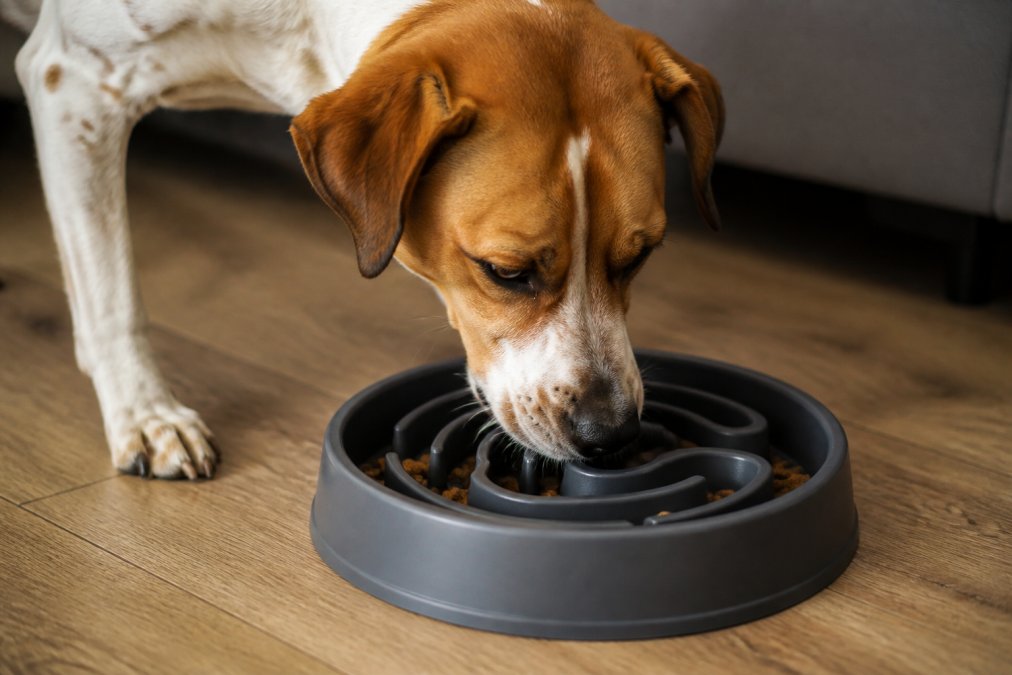
Bloat prevention is one of the most critical reasons to invest in a slow feeder. When dogs eat too quickly, they swallow excess air along with food, which can lead to gastric dilatation-volvulus (GDV), a medical emergency that requires immediate surgery (vcahospitals.com). Slowing down the eating process gives the stomach time to process food properly and reduces air intake. Dogs that naturally gulp their food benefit enormously from this design.
The most effective slow feeders feature:
- Raised ridges or maze patterns that require the dog to work around obstacles
- Multiple compartments that separate kibble into smaller portions
- Non-slip bases that prevent the bowl from sliding during eating
- Food-grade, non-toxic materials that won't leach chemicals
When selecting a slow-feeder bowl, match the ridge height and spacing to your dog's size. Large breeds need deeper compartments and wider ridges, while small dogs require shallower designs to avoid frustration. A bowl that's too challenging may discourage eating entirely, defeating the purpose.
Stainless steel slow feeders are ideal because they're durable, dishwasher safe, and won't degrade over time. Ceramic options work well too, though they're more prone to chipping. Avoid plastic slow feeders whenever possible, they wear down, develop cracks that harbor bacteria, and can leach BPA if not certified food-grade.
Stainless Steel vs Plastic Dog Bowls: Material Safety Matters
The material you choose for your dog's feeding bowl is arguably the most important decision you'll make. This isn't just about durability, it's about what's actually entering your dog's body with every meal.
Stainless steel bowls are the gold standard for safe feeding solutions for dogs. They're non-porous, meaning bacteria cannot embed themselves in microscopic cracks. Stainless steel doesn't leach chemicals, doesn't absorb odors or stains, and can withstand years of daily use without degrading. Most importantly, they're completely dishwasher safe, which makes deep sanitization easier.
Plastic bowls present multiple risks. Even "food-grade" plastics can leach BPA, phthalates, and other endocrine disruptors, especially when they're scratched or exposed to hot water (the FDA). Plastic also develops microscopic cracks where bacteria thrive. Over time, plastic bowls become discolored, retain odors, and develop a sticky biofilm that regular washing doesn't fully remove. If you currently use plastic, switching to stainless steel is one of the highest-impact changes you can make.
Ceramic bowls occupy a middle ground. High-quality ceramic is non-porous and food-safe, but it's fragile and can chip or crack, creating sharp edges and harboring bacteria in the broken areas. Glazes on cheaper ceramic bowls may contain lead, so stick with certified, food-safe ceramics only. Ceramic works well as a secondary option, but stainless steel remains superior for everyday use.
| Material | Durability | Bacterial Risk | Chemical Leaching | Dishwasher Safe | Best For |
|---|---|---|---|---|---|
| Stainless Steel | Excellent | Very Low | None | Yes | Daily feeding, all dogs |
| Ceramic (Food-Grade) | Good | Low | None | Yes | Dogs without aggression, secondary bowls |
| Plastic | Poor | High | Possible | Limited | Emergency use only, not recommended |
Silicone bowls have gained popularity because they're collapsible and portable, but they share plastic's vulnerability to bacterial colonization and potential chemical leaching. If you travel with your dog, silicone is convenient, but switch back to stainless steel at home.
Benefits of Elevated Dog Feeders for Digestion and Comfort
Elevated feeders raise the bowl several inches off the ground, reducing the strain on your dog's neck, spine, and joints during meals. This design is particularly beneficial for senior dogs, large breeds, and dogs with arthritis or orthopedic issues.
When a dog eats from a ground-level bowl, they bend their entire spine downward, compressing the vertebrae and putting pressure on the neck and shoulders (aaha.org). Over time, this posture can exacerbate joint problems and cause chronic pain. Elevated feeders align the bowl with the dog's natural eating height, allowing them to eat with a neutral spine position.
The ergonomic benefits extend beyond comfort. Elevated feeders can improve digestion by allowing food to travel down the esophagus more naturally, reducing the risk of regurgitation. For dogs prone to bloat, the improved posture may help reduce air intake during meals. Senior dogs especially benefit from the reduced physical strain, eating becomes less of a chore and more of a comfortable routine.
When choosing an elevated feeder, the height should align with your dog's shoulder when they're standing in a natural posture. A rough guideline is that the bowl should sit at about 6-8 inches high for small dogs, 10-12 inches for medium dogs, and 12-16 inches for large breeds. Too high, and the dog stretches uncomfortably; too low, and the benefits disappear.
Look for elevated feeders with non-slip bases and sturdy construction that won't tip when your dog leans in. Stainless steel bowls are essential here, the elevated position makes it even more important that the material is safe and durable. Paw Fit Gears offers elevated feeding solutions designed with orthopedic support in mind, ensuring your dog's comfort during every meal.
Automatic and Gravity Feeding Systems: When They Work
Automatic feeders and gravity-fed systems offer convenience, but they're not appropriate for every dog or situation. Understanding their limitations is crucial to making the right choice for your pet.
Gravity feeders use a simple design: a large reservoir sits above a small bowl, and kibble flows down as the dog eats. These systems work well for dogs that eat at a consistent pace and don't overeat. They're inexpensive, require no electricity, and work reliably. However, gravity feeders don't prevent bloat, in fact, they can make it worse if your dog gulps rapidly. Kibble stored in the reservoir can also become stale or develop mold if humidity is high.
Automatic feeders dispense portions at scheduled times, which is useful if you work long hours or have multiple dogs with different feeding schedules. Some models allow you to program portion sizes and feeding frequency. The downside: automatic feeders don't monitor your dog's actual intake, and they can malfunction, leaving your dog either hungry or overfed. Kibble sitting in the hopper degrades over time, losing nutritional value and becoming prone to spoilage.
Neither automatic nor gravity systems should replace your presence at mealtimes, especially for dogs with health issues or behavioral problems. The best feeding approach involves you supervising meals, controlling portions, and ensuring your dog is eating at a healthy pace.
If you do use an automatic feeder, pair it with a slow-feeder bowl insert to maintain bloat prevention. Clean the feeder's hopper and bowl daily to prevent kibble from becoming stale or contaminated. Store kibble in airtight containers, not in the feeder's reservoir for extended periods.
Sanitization and Biofilm Prevention in Food Bowls
Biofilm is a thin, slimy layer of bacteria and other microorganisms that colonizes bowl surfaces, especially in crevices and under the rim. It's invisible to the naked eye but poses a real health risk, causing digestive upset, infections, and chronic inflammation.
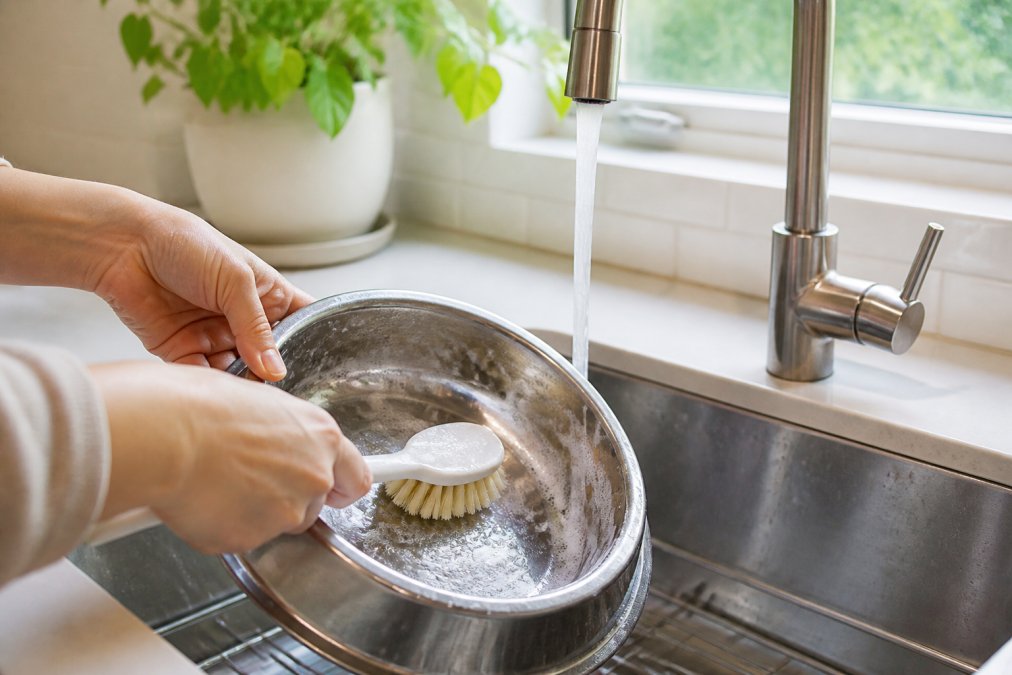
Biofilm forms because bacteria secrete a protective matrix that adheres to surfaces. Once established, biofilm resists standard washing and can survive mild soap and water. This is why some dogs develop chronic digestive issues or ear infections despite appearing healthy, the source is often the feeding bowl.
Proper sanitization requires hot water and scrubbing. Hand wash bowls immediately after meals with hot soapy water and a brush, paying special attention to the rim and any crevices. For stainless steel bowls, a dishwasher cycle on the hottest setting is even more effective, as the high heat kills biofilm more thoroughly than hand washing. Run the bowl through the dishwasher at least once weekly, even if you hand wash daily.
For deeper sanitization, soak bowls in a solution of one part white vinegar to one part water for 15-20 minutes, then scrub and rinse thoroughly. Vinegar's acidity disrupts biofilm. Alternatively, use a dilute bleach solution (one teaspoon per quart of water), soak for 10 minutes, and rinse extensively. Never use bleach on plastic bowls, it degrades the material and leaves residue.
Replace bowls every 6-12 months, even stainless steel ones, if you notice discoloration, scratches, or persistent odors. These are signs that biofilm has penetrated the surface and regular cleaning won't fully restore the bowl.
Keep separate bowls for water and food. Water bowls need the same sanitization protocol, as biofilm forms in water just as readily as in food residue. Change water daily and clean the water bowl at least once daily, more often if your dog's water tends to get murky or if they're prone to ear or skin infections.
Building Your Complete Feeding Setup
Creating a truly safe feeding environment involves coordinating multiple elements: the bowl material, the feeder design, the location, food storage, and your cleaning routine.
Start with the foundation: invest in stainless steel bowls, preferably slow-feeder designs if your dog eats too quickly. Pair these with an elevated feeder at the appropriate height for your dog's size and age. Position the feeding area away from high-traffic zones where your dog might feel rushed or defensive. A quiet corner of the kitchen or a dedicated feeding room works best.
Food storage is often overlooked but critical. Store kibble in airtight containers, not in the original bag. Bags allow air exposure, which causes oxidation and nutrient loss. Airtight containers keep kibble fresh longer and prevent contamination from pests or moisture. Transfer food in small batches to avoid having large quantities exposed to air. If you feed wet food, refrigerate opened cans and use within 48 hours.
For dogs with multiple feeding issues, bloat risk, slow digestion, anxiety, combine strategies. Use a slow-feeder bowl for kibble, pair it with an elevated feeder, feed smaller portions multiple times daily instead of one large meal, and supervise each feeding. This comprehensive approach addresses the problem from multiple angles.
Consider your dog's individual needs. A young, healthy dog with no eating issues can use a standard stainless steel bowl and floor-level feeder. A senior dog with arthritis needs elevation. A gulper needs a slow feeder. A dog with a history of bloat needs all three plus portion control. Tailor your setup to your dog's specific situation rather than applying a one-size-fits-all approach.
Introduce any new feeding setup gradually. If you switch from plastic to stainless steel or add an elevated feeder, give your dog a few days to adjust. Some dogs are initially hesitant about new bowl designs or heights. Place their favorite treats in the new bowl to build positive associations.
Quality nutrition matters just as much as the feeding setup. The best bowl in the world won't help if the food itself is poor quality or inappropriate for your dog. Blue Buffalo Life Protection Adult Dog Food offers real deboned chicken as the first ingredient, with natural ingredients and no by-products or fillers, supporting strong muscles, healthy skin, and immune function. Pair premium food with a safe feeding setup for optimal results.

Creating safe feeding solutions for dogs requires attention to material safety, design ergonomics, and rigorous hygiene. The right setup prevents bloat, reduces bacterial contamination, and improves your dog's overall digestive health. At Paw Fit Gears, we understand that feeding is one of the most important daily interactions you have with your dog. Our curated collection of elevated feeders, slow-feeder bowls, and feeding accessories is designed to support your dog's long-term wellness. Explore our full catalog of durable, pet-focused gear and build a feeding setup that prioritizes your dog's comfort and safety.
Frequently Asked Questions
Q: What are the safest materials for dog food bowls?
A: Stainless steel, ceramic, and food-grade silicone are generally considered safe options. Stainless steel resists bacteria buildup and won't leach chemicals. Ceramic is durable and inert but can chip. Avoid plastic bowls, which can harbor bacteria in scratches and may contain BPA or other toxins. Always look for bowls labeled food-grade or pet-safe to ensure they meet safety standards.
Q: How can slow-feeder bowls improve canine digestion?
A: Slow-feeder bowls reduce gulping by forcing your dog to eat around obstacles, which slows consumption and allows proper saliva mixing with food. This can improve nutrient absorption and reduce bloating, gas, and indigestion. Dogs that eat too quickly are at higher risk for gastric dilatation-volvulus (bloat), a life-threatening condition. Slow feeders also aid portion control and help dogs feel fuller longer.
Q: Are elevated feeders safe for all dog breeds?
A: Elevated feeders work well for most dogs and offer ergonomic benefits, especially for senior dogs and large breeds, reducing strain on the neck and joints. However, some studies suggest elevated feeders may increase bloat risk in deep-chested breeds like Great Danes and German Shepherds. Consult your veterinarian about your dog's specific breed and health profile before switching to an elevated setup.
Q: How often should I clean my dog's food bowls to prevent bacterial growth?
A: Wash food bowls daily with hot soapy water after each meal to prevent biofilm buildup, which harbors harmful bacteria. Biofilm can form within 24 hours and become resistant to cleaning. Use a brush to scrub thoroughly, especially textured surfaces. For stainless steel bowls, weekly dishwasher cycles provide deep sanitization. Replace bowls if they develop deep scratches or cracks where bacteria can hide.
This article was written using GrandRanker