

Table of Contents
- Essential Hiking Gear for Dogs
- Choosing the Right Harness for Trail Control
- Leash Types and Leash Training for Hiking
- Dog Hiking Safety Tips and Trail Etiquette
- Hydration Systems and Water Storage for Dogs
- Paw Protection and Traction on Rocky Terrain
- Dog First Aid Kit for Hiking and Emergency Care
- Dog Car Seat Covers for Travel to Trailheads
Last Updated: August 29, 2026
Essential Hiking Gear for Dogs
Taking your dog on the trail requires more than just a leash and optimism. The best gear for hiking with dogs protects their paws, keeps them visible, maintains their hydration, and ensures they can handle the physical demands of uneven terrain. At Paw Fit Gears, the right equipment can transform an outing into a genuinely enjoyable experience for both dog and owner.
Most dog owners underestimate how different trail hiking is from neighborhood walks. The terrain is unpredictable, distances are longer, and the stakes are higher if something goes wrong. A dog that pulls on pavement becomes a serious liability on a narrow ridge. Paw pads designed for grass wear through quickly on rocky ground. Visibility matters when you're deep in the woods and weather shifts unexpectedly.
The essential gear falls into five categories: harnesses that provide control without choking, leashes suited to trail conditions, hydration systems that keep your dog drinking without slowing you down, paw protection for rocky terrain, and safety items like ID tags and first aid supplies. Each serves a specific purpose, and skipping any one of them creates a gap that could ruin your hike or endanger your dog.
Choosing the Right Harness for Trail Control
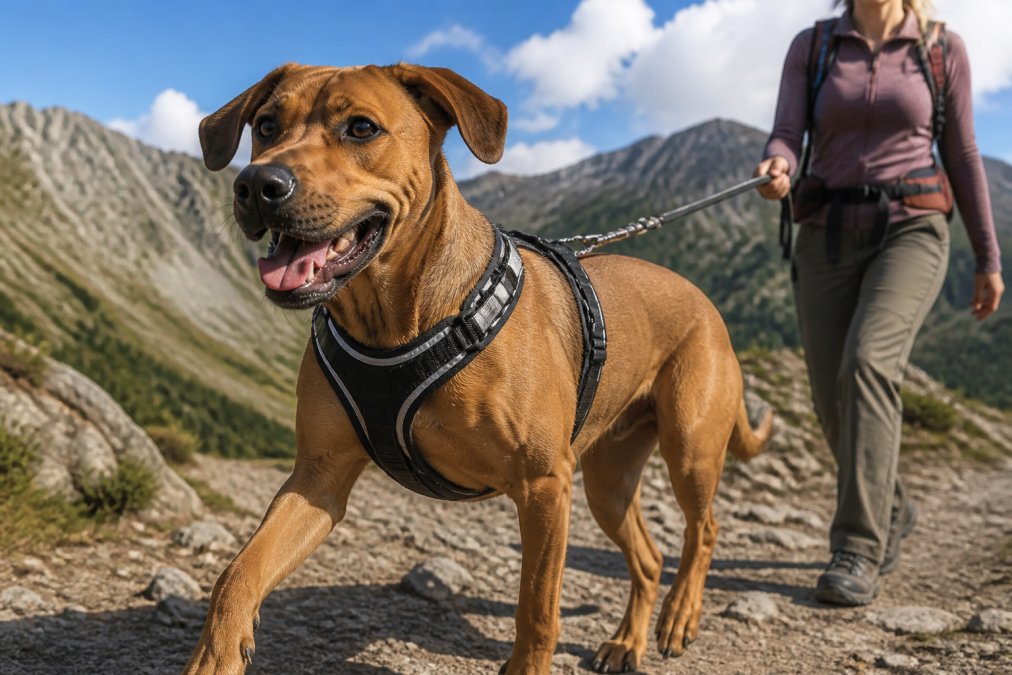
A proper harness is the foundation of trail safety. Unlike a collar, which concentrates force on your dog's neck and trachea, a harness distributes pressure across the chest and shoulders. For hiking, you need a harness that prevents pulling, offers ergonomic design, and includes reflective features for visibility in low light.
No-Pull Harnesses for Large Dogs
No-pull harnesses work by redirecting forward motion. When your dog lunges ahead, the front clip naturally turns their body toward you rather than allowing them to drag you forward. This is especially critical for large breeds that can easily overpower an unprepared owner on uneven ground.

The No-Pull Dog Harness with 2 Leash Clips from Paw Fit Gears is built specifically for this. It features dual leash attachment points, one at the chest for training and one at the back for casual walking. The padded vest design distributes weight evenly, preventing rubbing and discomfort. At $27.09, it's an affordable entry point for dogs that need serious pulling control.

For dogs that are already strong pullers or weigh over 80 pounds, the No-Pull Dog Harness with Front Clip offers heavier-duty construction. The metal leash clips won't bend under sustained tension, and the reinforced nylon handles sustained pulling without degrading. At $36.48, it costs more than the entry-level option, but the durability justifies the investment for serious hikers.
Adjustable Fit and Reflective Features
Harnesses that don't fit properly will either slip off or rub raw spots into your dog's sides. Look for harnesses with multiple adjustment points, ideally four or more, so you can customize the fit to your specific dog's body shape. Adjustable straps also let you tighten the harness as your dog moves, since even well-fitted gear can shift during active hiking.
Reflective strips serve a practical purpose beyond looking professional. Trails can become shadowy quickly as the day progresses, and if your dog wanders ahead or gets temporarily out of sight, reflective material makes them visible to you and to other hikers. Both Paw Fit Gears harnesses include reflective strips on the chest and sides, ensuring visibility in low-light conditions.
Leash Types and Leash Training for Hiking
Your leash choice dramatically affects how much control you have and how much freedom your dog gets. Fixed-length leashes offer maximum control in crowded areas or near hazards. Retractable leashes give your dog more room to explore, but they require discipline and awareness from the owner.
For trail hiking, a fixed-length leash between 4 and 6 feet is ideal. This gives your dog enough slack to navigate terrain naturally while keeping them close enough that you can prevent dangerous behavior, lunging at wildlife, straying toward cliff edges, or chasing other hikers' dogs.
The Mighty Paw Retractable Dog Leash 2.0 at $24.42 works for smaller dogs and lighter pullers. The 16-foot length means your dog can explore a wider area, and the one-touch brake system lets you lock the leash instantly if you spot a hazard. However, retractable leashes require constant attention; a distracted owner with a retractable leash is a liability on busy trails.

For larger dogs or serious pullers, the 26ft Retractable Dog Leash at $24.39 handles dogs up to 110 pounds. The rubberized handle prevents hand fatigue, and the tangle-free swivel design means the leash won't twist even when your dog circles you multiple times. The one-handed brake is essential when you're navigating rocky terrain and can't afford to fumble with both hands.
Leash training matters more than leash type. A dog that pulls constantly on any leash will exhaust you and themselves. Spend time training loose-leash walking before attempting serious hikes. Use the front clip on your harness to discourage pulling, reward slack-leash behavior with treats, and practice in low-distraction environments first.
Dog Hiking Safety Tips and Trail Etiquette
Trail safety extends beyond gear. You need a clear plan for emergencies, awareness of your dog's physical limits, and respect for other trail users.
Visibility and Identification on the Trail
Your dog should be visible to you and to other hikers at all times. This means reflective gear on both the harness and the leash. If your dog has a dark coat, consider a reflective collar in addition to the harness. In poor visibility, a headlamp with a reflective band around your dog's neck makes them visible from a distance.
Identification tags are non-negotiable. Your dog's microchip is useless if they're found miles from the trail and the finder doesn't take them to a shelter. Include your phone number, not just your address. A separate hiking ID tag with your emergency contact information gives finders an immediate way to reach you if your dog gets separated.
Load Distribution and Canine Fitness
Some dogs can carry their own supplies in a dog backpack, but weight distribution matters. A dog backpack should never exceed 10-15 percent of your dog's body weight, and it must be fitted properly so the load sits on the dog's ribs and hips, not their spine (aafco.org). An improperly fitted pack will cause pain and injury.
Before adding a backpack, assess your dog's fitness level. A sedentary dog shouldn't carry gear on their first hike. Build up gradually, start with shorter distances and lighter loads, and watch for signs of fatigue like excessive panting, reluctance to continue, or limping. Canine fitness improves over weeks, not days.
Hydration Systems and Water Storage for Dogs
Dehydration is one of the most common hiking injuries for dogs. They lose water through panting, and on a long hike, they can't tell you they're thirsty until it's serious. Bring more water than you think you need.
A collapsible bowl weighs almost nothing and lets you offer water at regular intervals. Stop every 30-45 minutes on warm days and let your dog drink (aaha.org). If you're hiking in areas without natural water sources, carry a hydration reservoir or water bottles dedicated to your dog. Don't assume your dog will drink from streams, parasites like giardia are common in backcountry water (the CDC).
For longer hikes, a hands-free hydration system works better than carrying bottles. Some dog backpacks include built-in water storage, but a simple approach is to carry a water bottle and collapsible bowl in your own pack. The weight is on you, not your dog, and you maintain control over water quality.
Paw Protection and Traction on Rocky Terrain
Dog paws are tougher than human feet, but they're not designed for miles of sharp rock. Paw wax creates a protective barrier and improves traction on slippery surfaces. Apply it before the hike and reapply as needed.
Dog booties protect against sharp rocks, ice, and extreme temperatures. They're awkward at first, and many dogs hate wearing them, but booties prevent bleeding paw pads and infections. If your dog has sensitive paws or you're hiking on particularly rocky terrain, booties are worth the adjustment period.
Watch for limping, favoring a leg, or reluctance to put weight on a paw. These are signs of injury. Stop and inspect the paw pad for cuts, embedded debris, or excessive wear. Small cuts can become serious infections if ignored.
Dog First Aid Kit for Hiking and Emergency Care
A basic first aid kit weighs little and could save your dog's life. Include gauze pads for bleeding, veterinary wrap to secure bandages, tweezers for removing debris, antibiotic ointment, and pain relief medication approved by your vet. Add a small flashlight for inspecting injuries in low light.
Know the location of the nearest veterinary clinic before you hike. If your dog is injured more than a mile from the trailhead, you may need to carry them out. This is where an emergency carry harness or a sturdy backpack becomes essential. Some dogs can walk out on three legs with support; others need to be carried.
Train yourself to recognize signs of serious injury: excessive bleeding, inability to bear weight, difficulty breathing, or unresponsiveness. If your dog shows any of these signs, stop hiking immediately and get professional help.
Dog Car Seat Covers for Travel to Trailheads
Getting to the trailhead safely is the first step. An unsecured dog in a moving vehicle is a distraction and a safety hazard. A proper car seat cover protects your interior, keeps your dog secure, and reduces their anxiety during the drive.
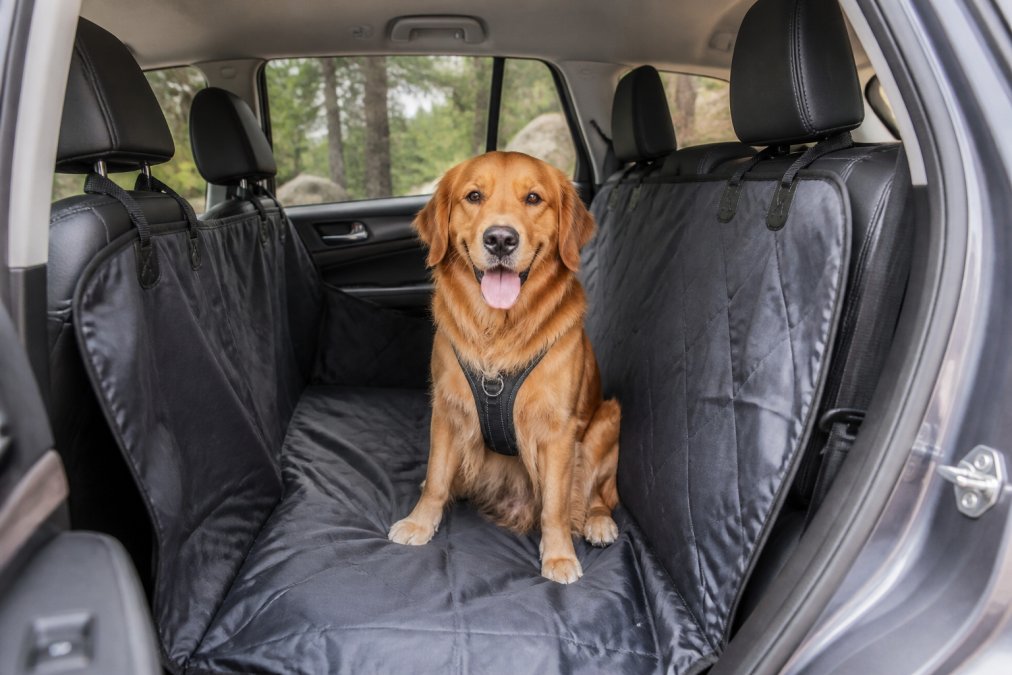
The Hard Bottom 6-In-1 Dog Back Seat Cover at $79.99 offers multiple configurations for different vehicle types. The waterproof material protects against muddy paws, wet fur, and accidents. The non-slip bottom keeps the cover from sliding around, and the mesh window lets your dog see out without jumping forward.
For additional security, the 2 Pack Adjustable Dog Seat Belt for Car at $14.51 clips directly to your vehicle's seat belt buckle and your dog's harness. This prevents your dog from moving around the vehicle during acceleration, braking, or turns. In a sudden stop, an unsecured dog can be thrown forward with force that causes serious injury. A seat belt harness keeps them safe.
Combine the seat cover with the seat belt for maximum protection. The cover protects your interior; the seat belt protects your dog. Together, they create a safe travel environment that lets you focus on the road instead of worrying about your dog's behavior.
The best gear for hiking with dogs isn't about having the most expensive equipment. It's about understanding what your specific dog needs and investing in quality items that will last through repeated use. Paw Fit Gears offers a complete range of harnesses, leashes, and travel gear designed for active dogs. Start with a proper no-pull harness and a quality leash, add paw protection and hydration supplies, and secure your dog safely during car travel. These fundamentals create a foundation for safe, enjoyable hiking with your dog for years to come.
| Gear Category | Primary Purpose | Key Feature | Best For |
|---|---|---|---|
| No-Pull Harness | Control and comfort | Dual leash clips | Large dogs and pullers |
| Retractable Leash | Freedom with control | One-touch brake | Smaller dogs on open trails |
| Collapsible Bowl | Hydration access | Lightweight storage | Regular water breaks |
| Paw Wax | Protection and traction | Barrier coating | Rocky or icy terrain |
| Dog Booties | Injury prevention | Protective covering | Sensitive paws or extreme conditions |
| Car Seat Cover | Interior protection | Waterproof material | Travel to trailheads |
| Seat Belt Harness | Vehicle safety | Secure restraint | Preventing injury during transit |
Frequently Asked Questions
What is the 20% rule for backpacking with dogs?
The 20% rule suggests that a dog should not carry more than 20% of its body weight in a backpack during hiking. For example, a 50-pound dog can safely carry up to 10 pounds. Start with lighter loads and gradually increase weight as your dog builds conditioning. This prevents strain on joints and muscles, especially on uneven terrain.
What should I pack in a dog's hiking backpack?
Pack lightweight essentials: a collapsible water bowl, water supply, high-energy treats, waste bags, a basic first aid kit, and identification tags. Include gauze and veterinary wrap for minor injuries. Keep the total weight under 20% of your dog's body weight. Use a backpack with adjustable straps and breathable fabric to ensure comfort and proper load distribution during the hike.
How do I keep my dog hydrated on long hikes?
Bring a collapsible bowl and plenty of water, aim for about one liter per two hours of hiking. Offer water every 20-30 minutes, especially on warm days. A hydration system with a hands-free leash design can help you manage water breaks efficiently. Consider a dog backpack with a hydration compartment to distribute the weight evenly while keeping water accessible throughout your trail adventure.
Should my dog wear shoes while hiking on rocky terrain?
Yes, protective booties are beneficial on rocky or sharp terrain to prevent cuts and abrasions to paw pads. Booties provide traction on slippery surfaces and reduce the risk of injury from sharp rocks. Start with shorter hikes to help your dog adjust to wearing them. Pair booties with paw wax for additional protection and to help prevent ice buildup in winter hiking conditions.
How do I carry a dog while hiking if they get tired?
Use a dog backpack carrier or emergency carry option designed for hiking. These distribute your dog's weight evenly across your shoulders and back, reducing strain. For large dogs, consider breaking the hike into shorter segments with rest stops rather than carrying the full distance. Always assess your dog's fitness level before starting and choose trails appropriate for their age and conditioning.
Is a 5-mile hike too much for a dog?
A 5-mile hike depends on your dog's age, fitness level, and breed. Young, healthy dogs in good condition can handle 5 miles, while older dogs or those unaccustomed to exercise may find it challenging. Start with shorter distances and gradually build endurance. Always bring water, take regular breaks, and monitor for signs of fatigue like excessive panting or reluctance to continue.
This article was written using GrandRanker